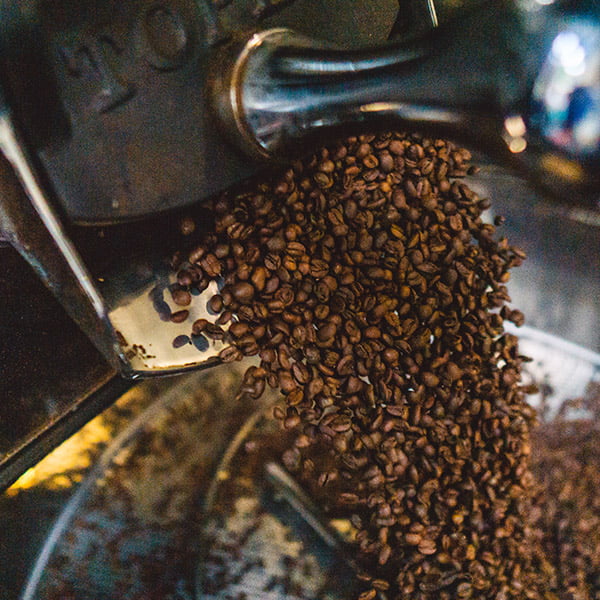
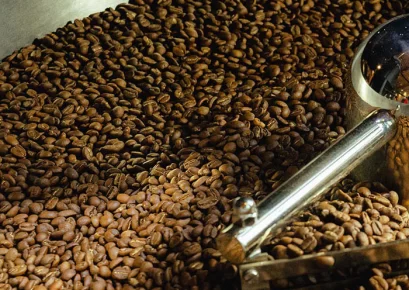
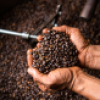
The roasting procedure gives our cherished beverage its characteristic dark hue. Because roast masters must experiment but also have a keen understanding of how each coffee will respond at different temperatures, we believe that this process is 50% science and 50% art. Since a few seconds or degrees can distinguish an excellent coffee from a mediocre one, this stage is essential to creating a superb beverage.
Achieving the ideal roast requires a great deal of experience, precise timing and temperature management, and the ability to identify when the coffee is at its optimum.
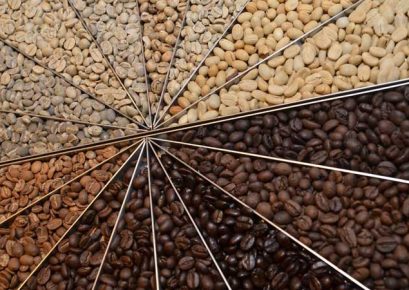
Types of Roasts –Light, medium, and dark roasts are the three primary varieties; each has numerous subcategories.
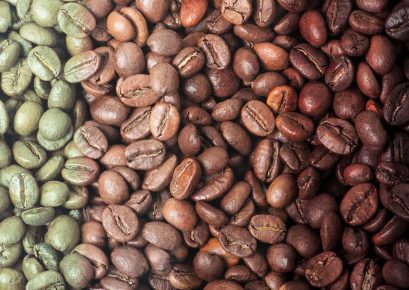
Light Roast – 180°C to 210°C is the roasting temperature range that produces light roasts. Coffee beans will explode like popcorn at 205°C; this is known as the first crack, and light roasts typically don’t go past it. Light roasts retain most of the caffeine in the bean, have a lighter-brown hue, and are more acidic than other roasts.
Medium Roast – 210°C to 230°C is the roasting temperature range that produces medium roasts. There will be a second crack in the darker range of the medium roasts, but they usually don’t go any darker than that. Medium roasts are less caffeinated than lighter roasts, have a medium-brown hue, and strike a balance between flavour and body.
Dark Roast – You may obtain dark roasts by roasting at temperatures between 230°C and 250°C. Usually, they go past the second crack. Compared to other roast varieties, these roasts are practically black in colour, have a stronger body and smoky flavour, and contain less caffeine.